A 3-Day Paddle Board Road Trip From Seattle on I-90
I-90 turns a paddle-board weekend into a choose-your-own-weather trip. Start with a close mountain lake, sleep east of the pass and decide each morning whether the wind favors Kachess, Lake Easton or Cle Elum.
This itinerary is deliberately flexible. Reservoir levels, road access, wildfire notices and wind can change. The value of an inflatable is that the same bag fits in the car no matter which lake wins that morning.
The week price works for a long weekend
A full week is capped at $160 per item. Pick up after 4 PM the evening before and return by 10 AM after the trip; those shoulder windows do not count as rental days.
I-90 paddle road-trip map
Tap each stop for directions. Rattlesnake is the first paddle; Kachess and Lake Easton are day-two alternatives; Cle Elum is the farthest planned stop.
Before the trip: pick up in Tukwila
Collect the board or kayak, paddle, USCG life vests, electric pump, dry bag, waterproof phone case and speaker. Confirm how to operate the valve, pump and fin before loading the car. Put the gear bag where sharp tent stakes and heavy coolers cannot damage it.
Download maps, save agency alert pages and check the wind forecast for every candidate lake. Bring the parking passes or payment method each site requires.
Day 1: Rattlesnake Lake warm-up
Rattlesnake Lake is the logical first stop because it is close to Seattle, has free parking and gives you a short, visible shoreline for checking the setup. Launch early, practice turning and remounting, then keep the route conservative. The lake is cold even when the parking lot is warm.
Seattle Public Utilities opens the recreation area dawn to dusk and allows self-propelled craft and electric motors. There is no camping. Use our Rattlesnake Lake guide for directions and launch context, then continue over Snoqualmie Pass to your reserved lodging or campsite.
Day 2: choose Kachess or Lake Easton
Option A: Kachess for scenery
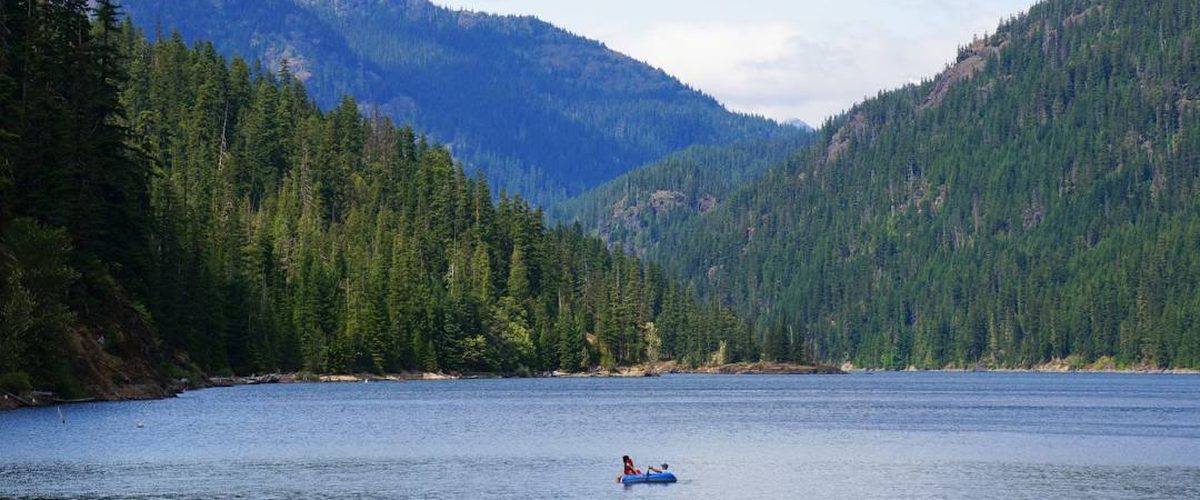
Kachess Lake is the classic alpine choice: forested shore, high ridges and a real away-from-the-city feel. Use a designated public day-use area, expect a fee or accepted recreation pass and check current Forest Service alerts. The reservoir draws down through summer, which can lengthen the carry to water.
Option B: Lake Easton for facilities
Lake Easton State Park is the practical choice when the group wants restrooms, picnic space and a developed launch. A Discover Pass is required for day-use parking, and a separate watercraft-launch fee applies when using the state-park ramp. Motors are limited to 10 horsepower, but paddlers should still watch for wakes and shallow stumps.
Choose between the two based on wind, access and the group’s energy. Do not try to force both lakes into one day unless conditions and logistics make it genuinely easy.
Day 3: Cle Elum Lake, with a small-lake fallback
Cle Elum Lake offers long shoreline and more room to explore, but that size also means greater wind exposure and motorized traffic. Launch early from a designated public access point, stay close to shore and set a turnaround time before leaving the beach.
If the forecast is wrong or the open water looks rough, make the good road-trip decision: do not launch. Choose a smaller lower-elevation lake on the drive home or turn the morning into a hike and breakfast. The rental is flexible; the weather is not.

Why Keechelus is an optional early-season add-on
Keechelus Lake is dramatic and close to the pass, but access is not dependable all season. The Forest Service closes the ramp road to motor vehicles when the reservoir drops below a set elevation, commonly beginning in mid- or late summer. If the current alert and posted signs show easy legal access and the wind is calm, it can be an alternative. Otherwise, admire the view and continue east.
Where to sleep
Reserve a legal campsite or lodging near Easton, Kachess or Cle Elum well ahead of summer weekends. Do not camp on reservoir shorelines or boat-launch roads unless the managing agency explicitly designates the site for overnight use. Check fire restrictions before packing a stove or planning a campfire.
Road-trip packing list
- Quick-dry paddling clothes and thermal protection appropriate to cold water
- Warm layers, towel and complete dry change in the car
- Food and more drinking water than the shoreline day requires
- Downloaded maps, pass information and emergency contacts
- First-aid kit and any personal medication
- Wet-gear bag and towel for the return drive
- Cleaning supplies so you can clean, drain and dry between water bodies
Leave every lake ready for the next paddler
Use durable surfaces, pack out trash and do not drive or camp on exposed lakebed. Remove plants and mud from the board, fin and footwear before moving to another lake. Never transport water between reservoirs.
For more options and current trip-planning notes, see our mountain-lake rental guide and the detailed article on the best mountain lakes to paddle near Seattle.
What if one day is windy?
Do not treat the route as a contract. Move the longest paddle to the calmest morning, replace exposed water with a shoreline picnic or stop at a smaller lake on the return. The point of carrying one inflatable through the whole trip is flexibility.
Pack one board. Keep three lakes on the list.
The complete inflatable kit fits around your camping gear and gives the forecast the final vote.
Last reviewed August 2026. Confirm current agency alerts, passes, campground rules, fire restrictions, access and weather before departure.